
Flow Nozzle
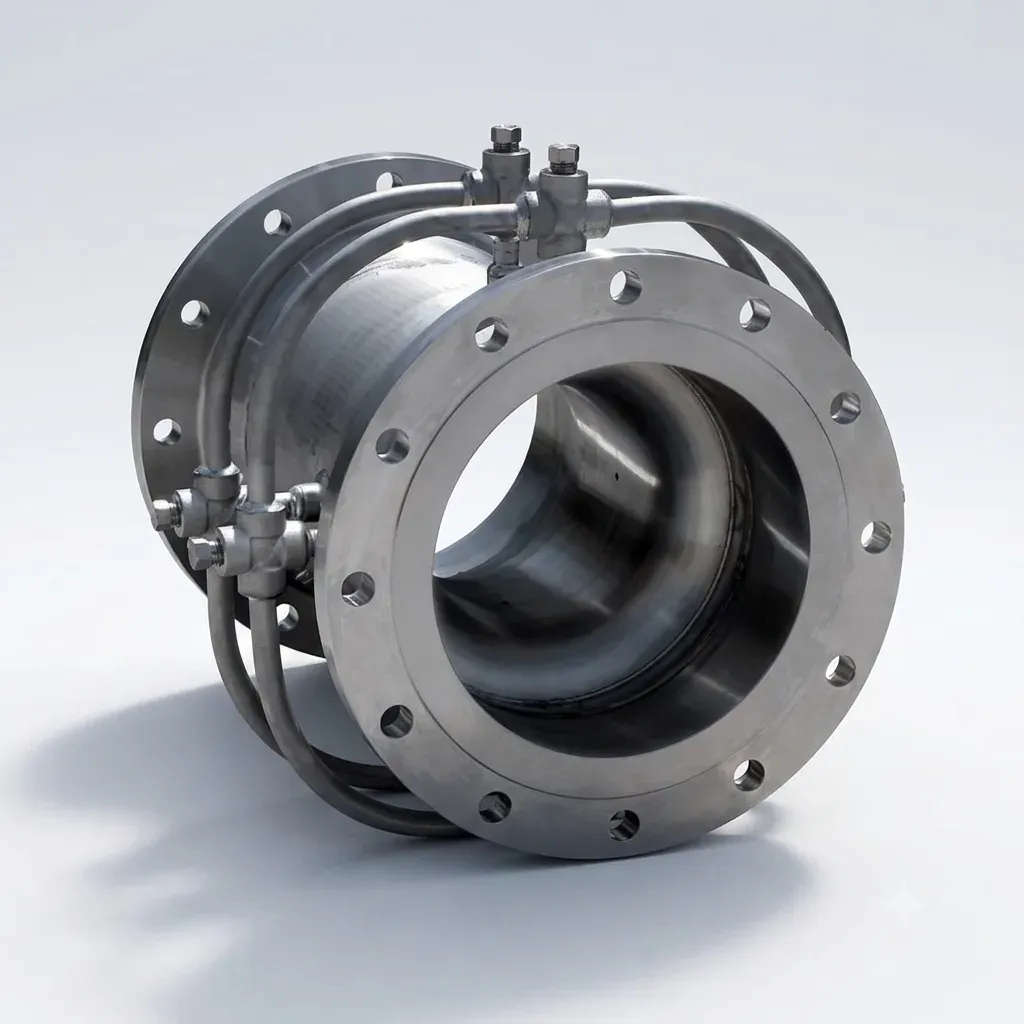
A differential-pressure primary element with a smooth converging inlet that tolerates far higher velocities and more erosion than an orifice plate. Sizes 1" to 24", flanged or weld-in, forged ASTM A182 F316, with high-beta (0.25–0.80) and low-beta (0.20–0.50) designs.
Flow Nozzle
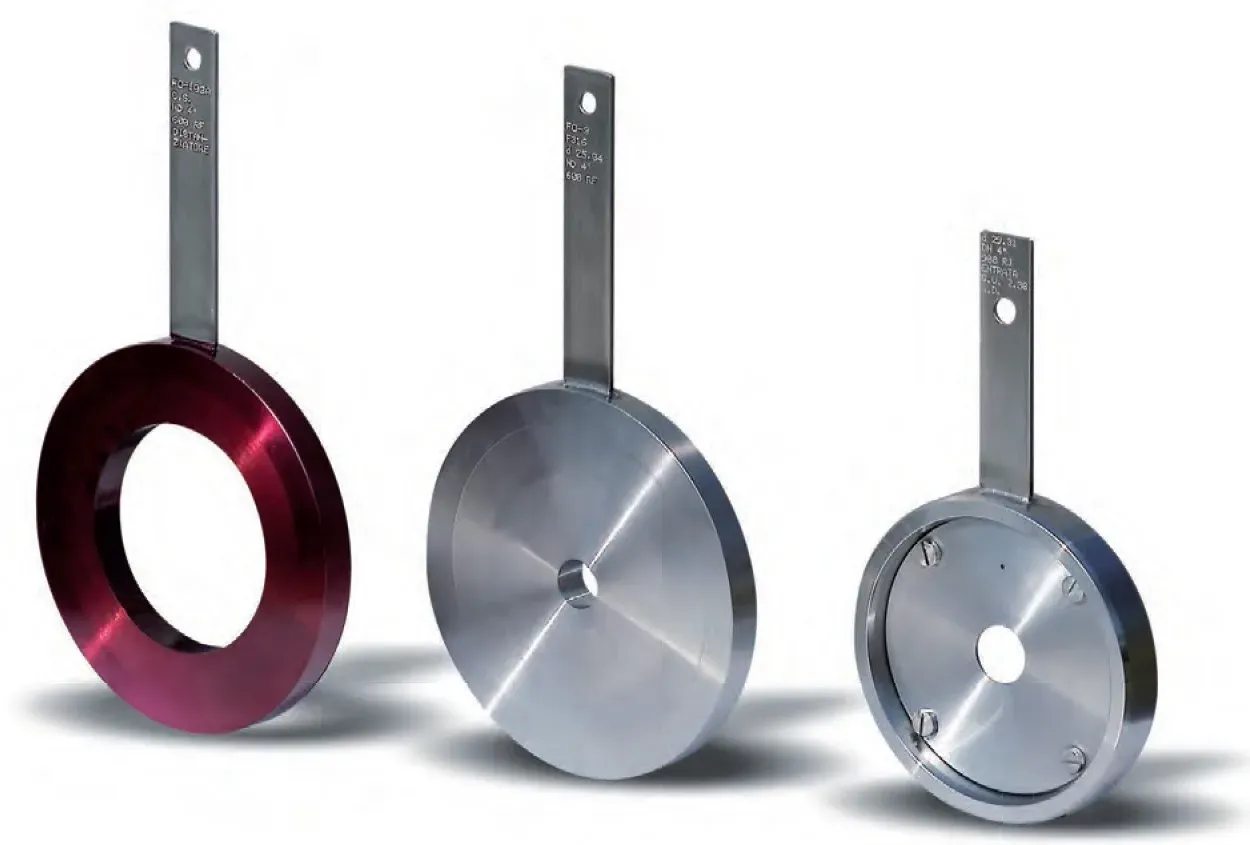
A flow nozzle is the primary element of choice when velocity, temperature or erosion would shorten the life of an orifice plate. The rounded inlet guides the fluid into the throat without the sharp edge an orifice depends on, so the discharge coefficient remains stable even as the element wears, and the nozzle passes roughly 60 % more flow than an orifice with the same bore and differential.
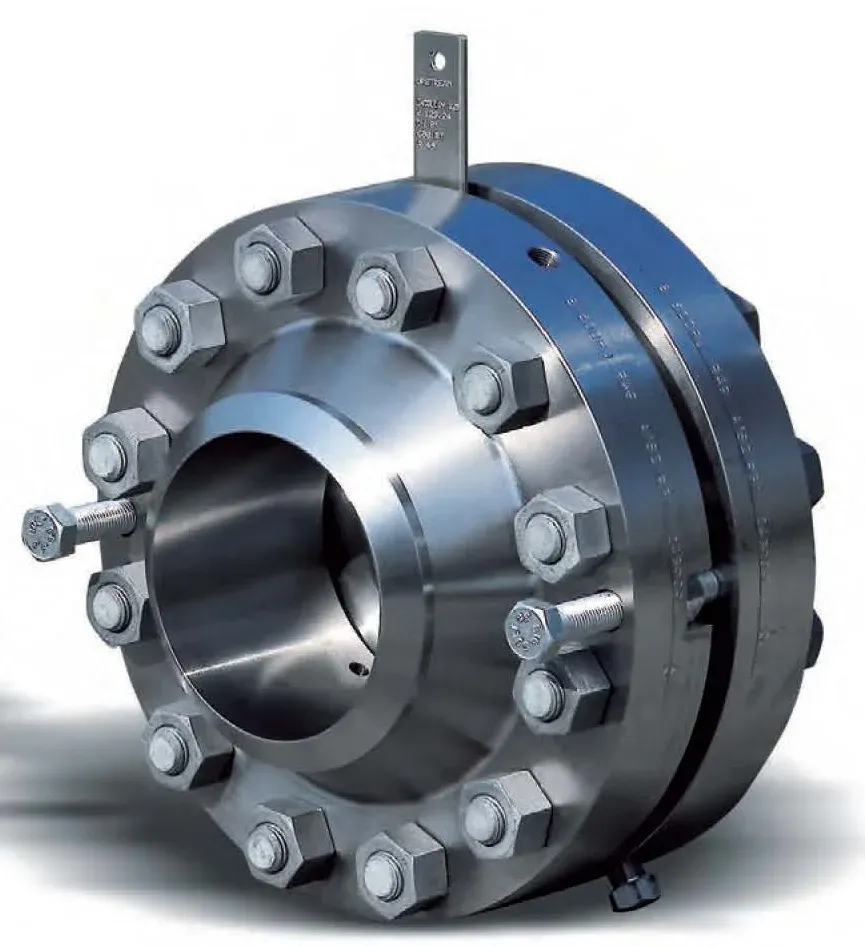
Nozzles are supplied from 1" to 24" in two families: the high-beta design with β from 0.25 to 0.80 for maximum capacity, and the low-beta design with β from 0.20 to 0.50 where a larger differential is wanted. Standard material is forged ASTM A182 F316, with other alloys on request. Installation is between flanges (RF or RTJ) or weld-in with a lock ring or lock pins for high-pressure and high-temperature piping. Differential pressure is taken through inlet and outlet taps, two pairs at 180° as standard, with annular chambers or corner taps as options.
The classic application is boiler feedwater and main steam in power stations, where nozzles are specified for their stability at high Reynolds numbers, but they are equally suited to erosive slurries, cavitating liquids and any high-capacity service in oil and gas, petrochemical, chemical and water plants.
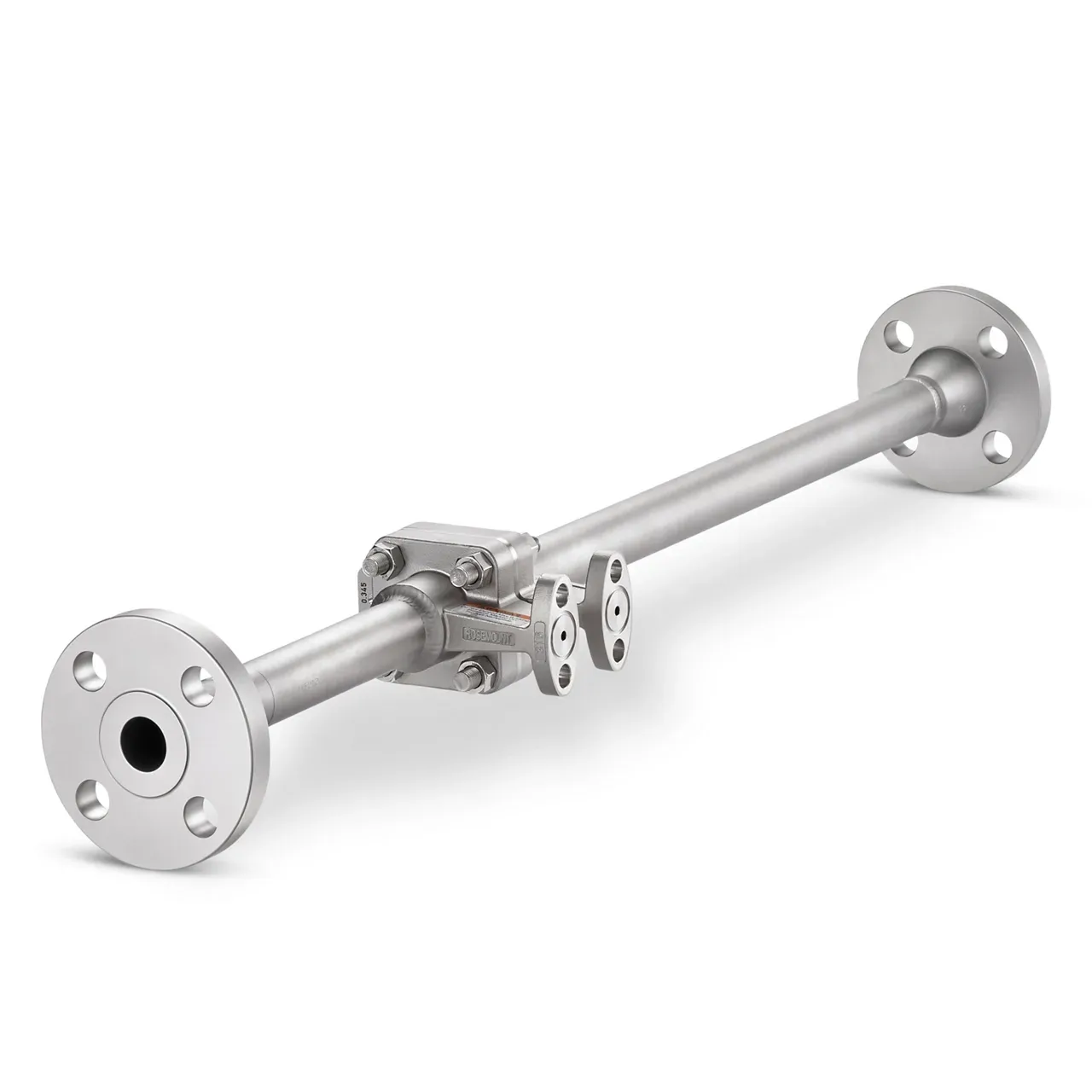
Companion flanges and calibrated pipe sections complete the assembly, and each nozzle is delivered with its ISO 5167 calculation.
Flow
Spec it with our engineers
Send us your process conditions and we’ll recommend the right configuration — with a quote inside one business day.