Fork Viscosity Meter
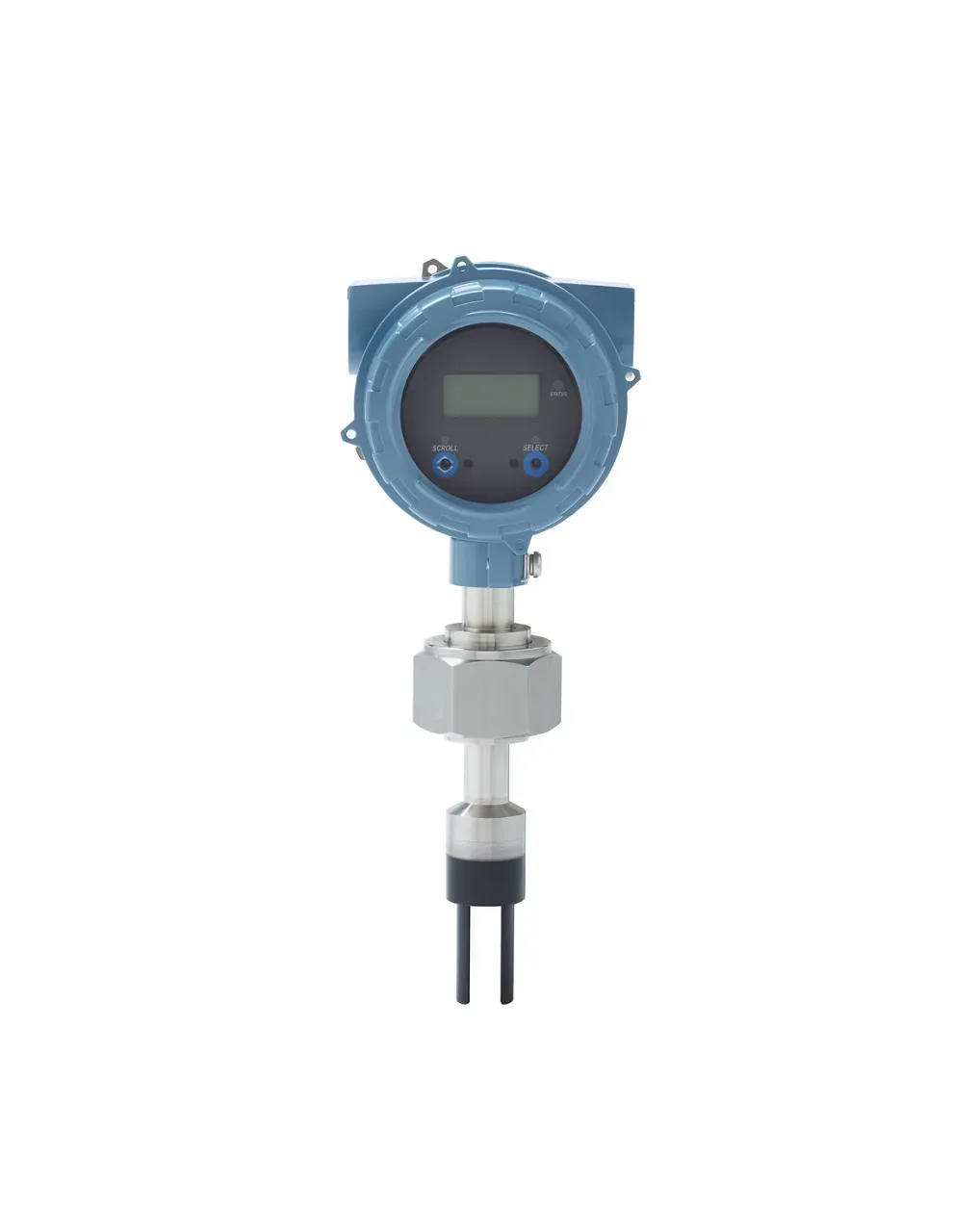
A tuning-fork sensor that measures viscosity and density of liquids inline and in real time: 0.5 to 100 cP with ±0.2 cP accuracy, density 0 to 3,000 kg/m³ to ±1 kg/m³, process pressure to 207 bar and temperature from −50 to +200 °C, in 316L or DLC-coated stainless steel.
Fork Viscosity Meter
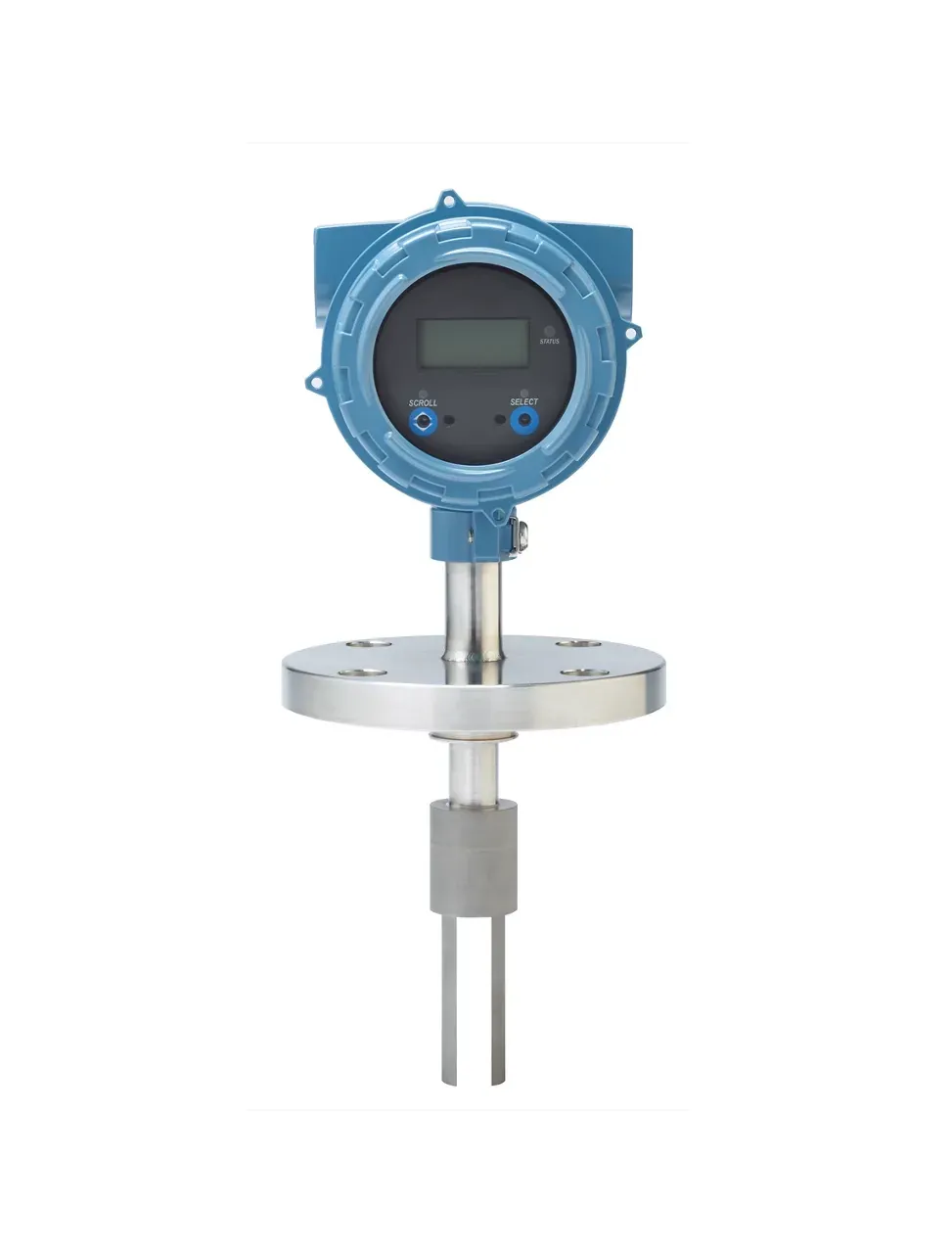
Viscosity is usually measured in the laboratory, hours after the sample was drawn. The fork viscosity meter brings the measurement into the line. Its tuning fork resonates in the liquid, and while the resonant frequency reports density, the damping of the oscillation reports viscosity; both are read continuously by the transmitter with temperature compensation, so the control system sees changes in fuel, lubricant, polymer or product quality as they happen.
The meter covers 0.5 to 100 cP with ±0.2 cP accuracy and density from 0 to 3,000 kg/m³ to ±1 kg/m³, at process pressures to 207 bar and temperatures from −50 to +200 °C. Wetted parts are 316L stainless steel or DLC-coated for abrasive and sticky media. Outputs are 4–20 mA HART, RS-485 and Modbus, with an LCD indicator as an accessory. The sensor mounts directly into the pipe, tank or bypass loop and needs no moving parts, sample conditioning or consumables.
Referenced viscosity, corrected to a standard temperature such as 40 or 50 °C, can be calculated in the transmitter so the reading matches laboratory values.
Applications are inline viscosity measurement and control of fuel oil to burners and engines, lubricants, blending and quality monitoring of hydrocarbon products, and reaction end-point detection in oil and gas, petrochemical and chemical plants.
Spec it with our engineers
Send us your process conditions and we’ll recommend the right configuration — with a quote inside one business day.