
Diaphragm Seal
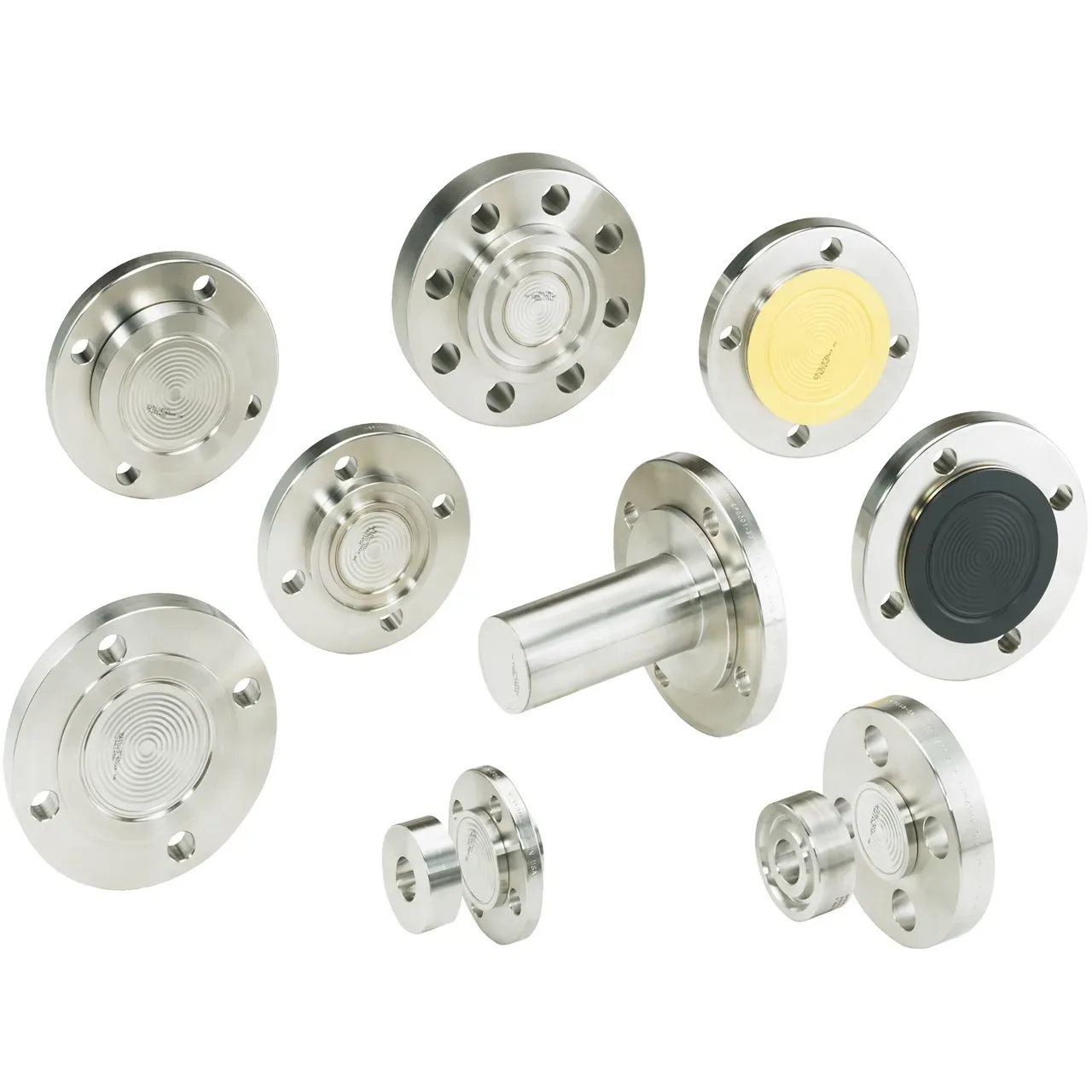
Diaphragm seals isolate a pressure instrument from hot, corrosive, viscous or hygienic media. Threaded and flanged versions from ½" to 6", ASME Class 150 to 2500, diaphragm materials from 316L to titanium and tantalum, and fill fluids for every temperature and hygiene class.
Diaphragm Seal
A diaphragm seal, also called a chemical seal, is a flexible membrane mounted between the process and the pressure instrument, with the space behind it filled with a liquid that transmits the pressure. The transmitter, gauge or switch never touches the medium, so it can be a standard stainless steel unit even when the process is hydrochloric acid, hot bitumen, a crystallising slurry or a sterile pharmaceutical product.
Seals are supplied as threaded or flanged units from ½" to 6" in ASME Class 150 to 2500, mounted either directly on the instrument or via a capillary for remote installation, the usual arrangement on tall columns, hot vessels and DP level on tanks.
The diaphragm material is selected for the medium: 316L, duplex, nickel, Inconel, Hastelloy, Monel, tantalum, titanium, PTFE or gold-plated for hydrogen service. The fill fluid is selected for temperature and application: silicone oil for general duty, high-temperature oil for hot processes, inert oil for oxygen and chlorine service, and vegetable oil for food and pharmaceutical processes.
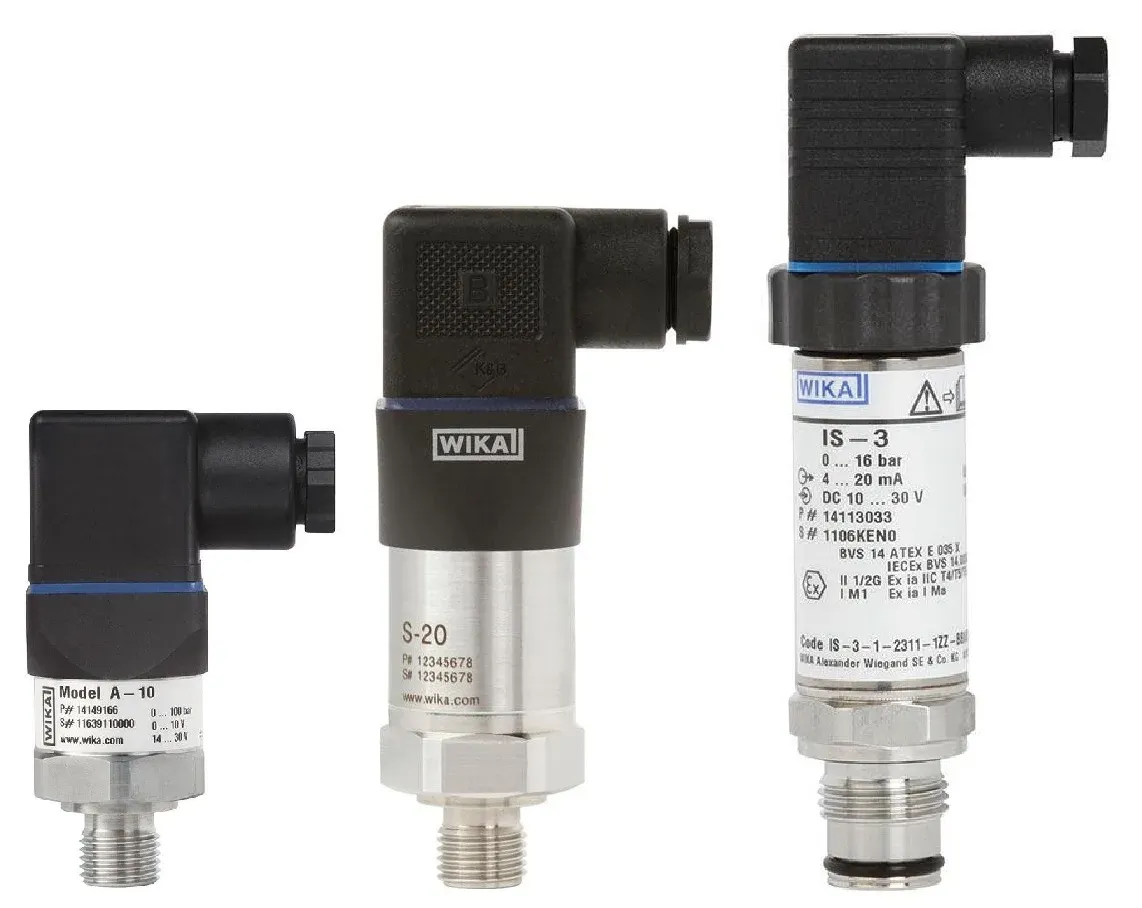
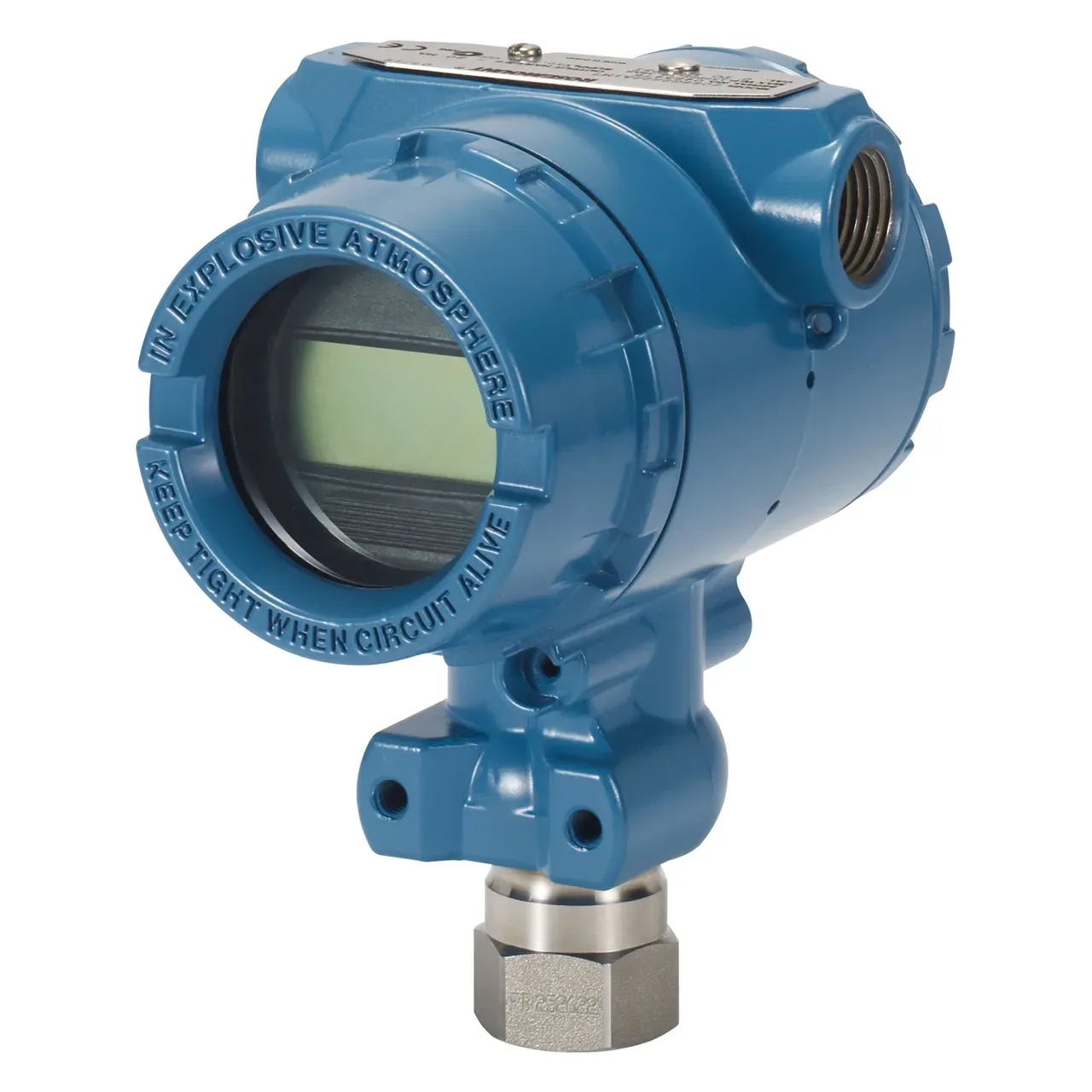
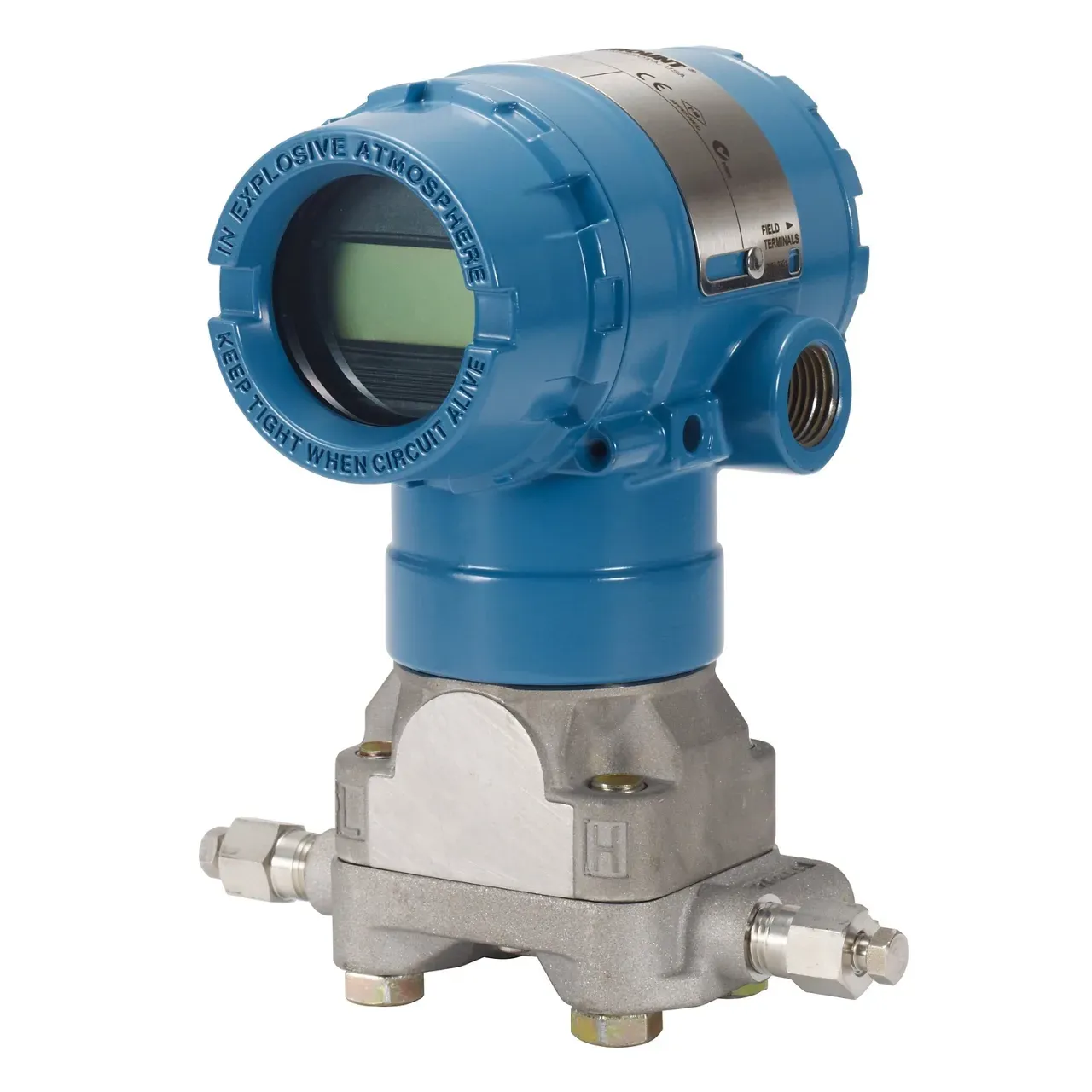
Correct seal sizing, including diaphragm diameter, capillary length, fill volume and temperature effects, decides the accuracy of the whole assembly. Send us the process conditions and we will engineer the complete instrument and seal assembly with a pressure transmitter, gauge or switch from this range.
Pressure
Spec it with our engineers
Send us your process conditions and we’ll recommend the right configuration — with a quote inside one business day.