
Displacer Level Transmitter
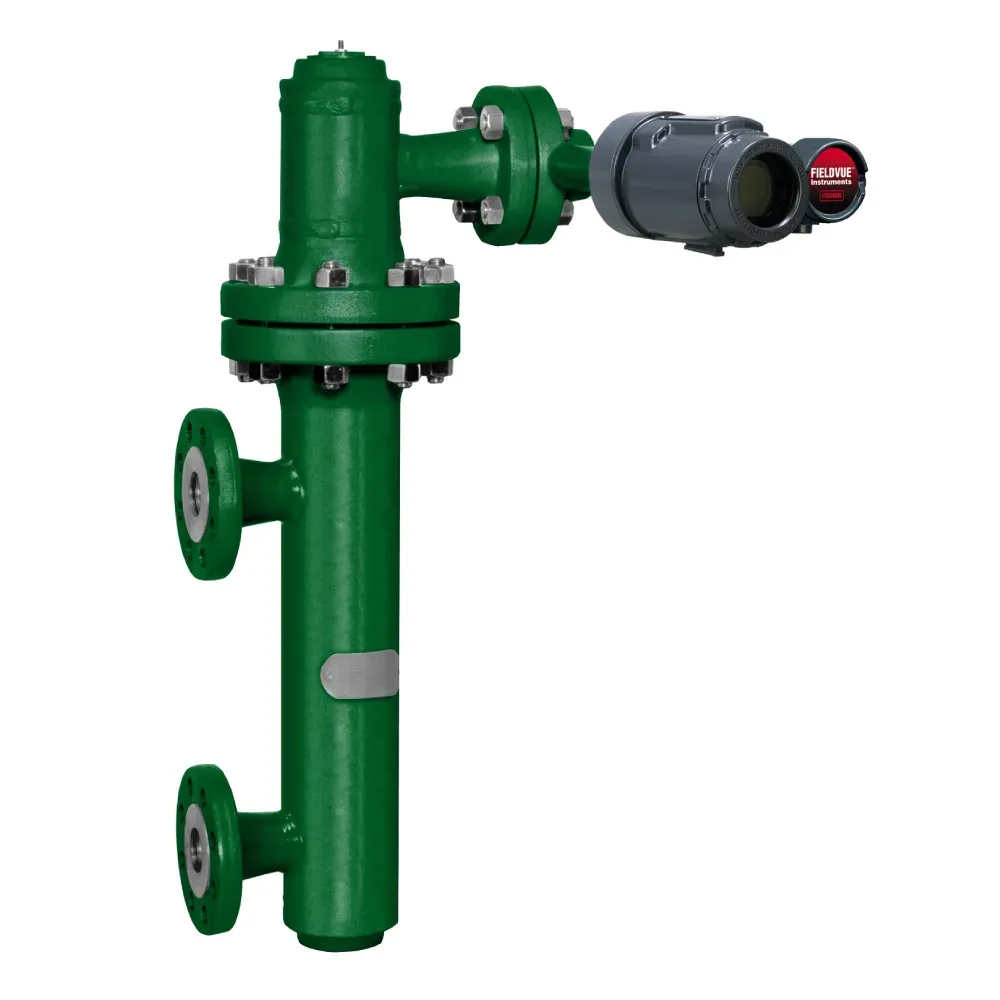
A buoyancy-based transmitter for level and interface measurement where radar struggles: separators, knock-out drums, flash vessels and emulsion layers. Ranges 356 to 3,048 mm, to 200 bar and 400 °C, external cage or internal mounting, in carbon steel, 316, Hastelloy or Inconel.
Displacer Level Transmitter
A displacer level transmitter measures the buoyancy force on a cylinder suspended in the liquid. As the level rises the displacer loses apparent weight in proportion to the submerged length and the liquid density; a torque tube or a spring transfers that change through the pressure boundary to the transmitter electronics. Because the measurement depends on density, the same instrument measures the interface between two liquids of different density, which is why displacers remain the standard for oil and water separation.
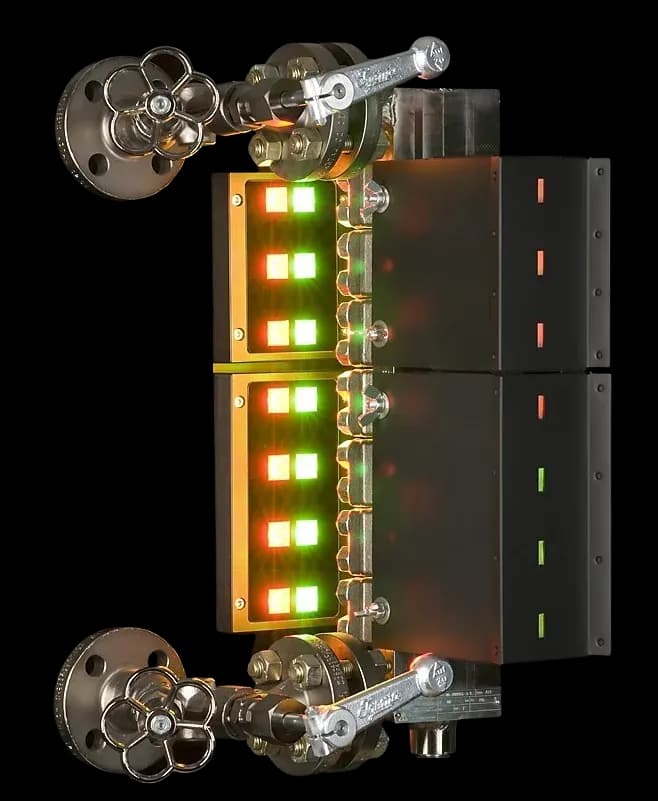
Displacers are available with ranges from 356 to 3,048 mm, for process conditions to 200 bar and 400 °C, in carbon steel, 316 stainless steel, Hastelloy or Inconel. Caged versions mount externally on side-side or side-bottom nozzles, are isolated by valves and can be maintained with the vessel in service; cageless versions mount through a top or side flange directly in the vessel for foaming, viscous or agitated liquids. A temperature reducer protects the electronics on hot service, and a tubular level gauge can be fitted to the cage for local indication.
Outputs are 4–20 mA HART or FOUNDATION Fieldbus with on-board diagnostics.
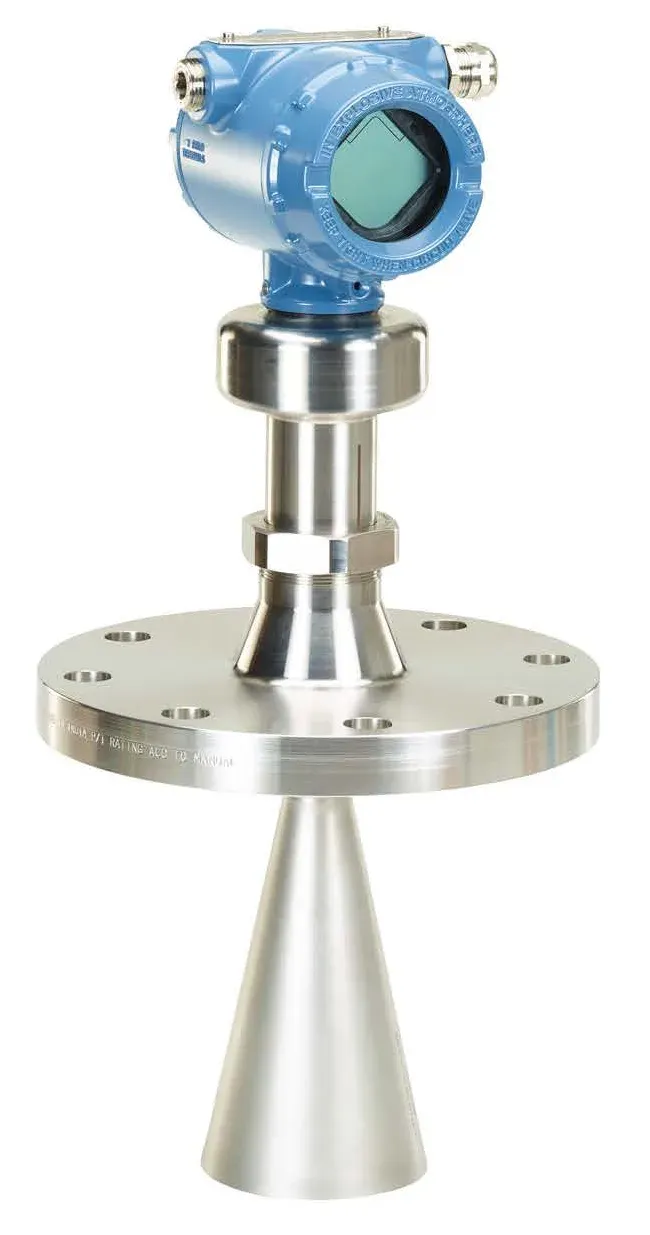
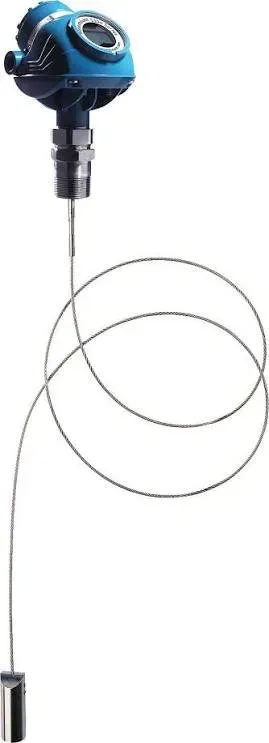
Applications are liquid level, interface level and emulsion-layer control in separators, dehydrators, scrubbers, boilers and flash drums across oil and gas, petrochemical and refining, where they are often specified in preference to radar for their robustness in heavy hydrocarbons and their proven performance in safety loops.
Level
Spec it with our engineers
Send us your process conditions and we’ll recommend the right configuration — with a quote inside one business day.